
Understanding the Role of Luck in Gambling
Luck is often described as a force that contributes to unexpected outcomes, and in the world of gambling, it is a central theme. When players walk into a casino, they come with varying degrees of belief in luck’s influence. Some believe that luck plays a decisive role in their winnings, while others think their decisions and skills are more impactful. With the rise of online gaming, many seek out the best opportunities, including a fast withdrawal casino uk , to enhance their experience. This dichotomy sets the stage for a complex relationship between chance, strategy, and player psychology, which can profoundly affect a casino experience.
One might argue that luck is merely a random factor in games of chance, such as slot machines or roulette. However, the perception of luck can lead players to make certain decisions during gameplay. For instance, a player who feels lucky may decide to bet higher stakes, influenced by their mood or recent wins. Conversely, someone who has had a streak of bad luck might approach the game more cautiously, affecting their overall enjoyment and willingness to engage. This highlights how luck can shape a player’s behavior and mindset within the casino environment.
Moreover, the concept of luck is often tied to personal rituals or superstitions that players bring into the casino. From wearing “lucky” clothing to performing specific actions before placing a bet, these rituals can create a psychological boost, reinforcing the belief in luck’s influence. This behavior illustrates how deeply intertwined luck is with the gambling experience, suggesting that it can shape not only the outcome of individual games but also the overall atmosphere of a player’s casino journey.
The Science Behind Randomness and Luck
In the realm of gambling, randomness is scientifically studied to understand how luck and chance operate. Every game in a casino is designed to ensure that outcomes are randomized, especially in games reliant on luck. Slot machines, for example, are programmed with Random Number Generators (RNG) that ensure fair play devoid of predictability. While this creates an environment where luck is an undeniable factor, it also raises questions about how much influence player decisions actually have.
The statistical probabilities behind each game can often give an illusion of control. Players may cling to strategies that suggest they can outsmart the odds—like employing betting systems or using previous outcomes to predict future results. However, mathematicians and statisticians agree that each spin of a slot machine or hand of cards is independent, further suggesting that luck is indeed an uncontrollable aspect of the gambling experience. This realization can be both liberating and disheartening for players.

This concept of randomness also plays into the emotional dynamics of gambling. Players often experience the “win-streak” phenomenon, where a few lucky outcomes can create a false sense of security, leading to riskier bets. Similarly, experiencing a losing streak can induce a mindset of desperation, prompting players to chase their losses, which is rarely a path to success. Understanding these psychological responses to luck can empower players to make more informed decisions, potentially enhancing their gaming experience.
The Psychology of Belief in Luck
The belief in luck is a powerful psychological force that can greatly influence the casino experience. This belief often manifests in various forms, shaping not only individual play styles but also social interactions within the casino. Players may form groups based on luck beliefs, sharing tips, and engaging in rituals that they perceive can enhance their winning chances. This communal aspect of gambling often adds layers of excitement and camaraderie to the experience.
Cognitive biases also play a significant role in how players perceive luck. The “gambler’s fallacy,” for example, leads players to believe that past outcomes can predict future ones. A player who witnesses a long run of losing hands may wrongly assume that a win is “due.” This misinterpretation can drive decisions that are counterproductive, further entrenching the idea that luck, rather than strategy, holds the key to victory. Understanding these biases is crucial for players aiming to cultivate a healthier relationship with gambling.
Additionally, a player’s self-efficacy, or belief in their abilities to affect outcomes, intertwines with their perception of luck. Those who view themselves as skilled or knowledgeable may downplay luck’s role, focusing on strategy and tactics. On the contrary, individuals who believe they are at the mercy of fate might be more inclined to play impulsively, attributing their successes and failures to luck alone. This self-perception can heavily influence not just their betting style but the enjoyment they derive from their casino experiences.
The Impact of Luck on Casino Strategies
Given that luck is an inherent part of the gambling experience, many players develop strategies that incorporate its influence. While skill-based games like poker allow for strategic play and decision-making, luck still plays a significant role in the outcome. Players often adjust their strategies based on their perceived luck, which can lead to a variety of betting styles and tactics. For instance, players may choose to play conservatively during a perceived unlucky phase, while taking more risks when they feel lucky.
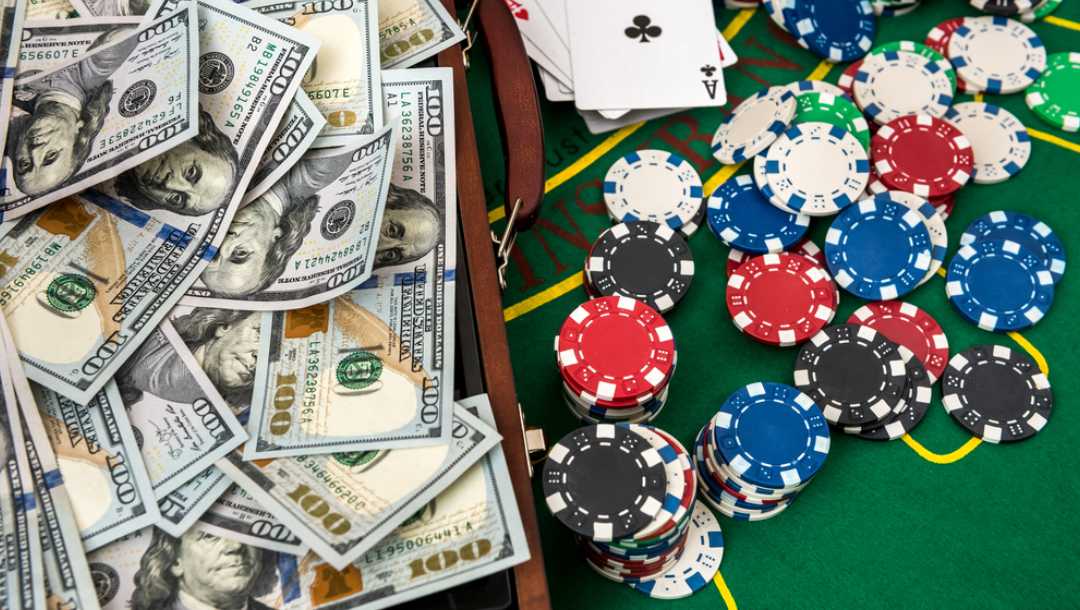
Moreover, the use of strategies in games of luck can provide players with a sense of control, even if luck remains a dominant factor. Understanding the odds and probabilities behind games can empower players, allowing them to make more calculated decisions. For example, in blackjack, players often follow basic strategy charts to minimize the house edge. This blend of skill and luck creates a unique challenge, offering players an engaging experience while navigating the unpredictable nature of luck.
Additionally, the development of betting systems, such as the Martingale or Fibonacci systems, reflects players’ attempts to harness luck to their advantage. While these systems may have their merits, they often rely heavily on the belief that luck will eventually turn in the player’s favor. However, players must recognize the limitations of such strategies and the inherent risk in trying to chase wins through structured betting patterns. Embracing a balanced approach that acknowledges luck while utilizing strategic thought can enhance the overall casino experience.
Further Exploration on the Subject
For anyone interested in delving deeper into the fascinating relationship between luck and gambling, various resources can provide valuable insights. Books written by gambling strategists and psychologists explore the intersection of luck, probability, and player behavior. These readings can enhance one’s understanding of the gambling landscape, offering tips and strategies that are not solely reliant on luck. Engaging with these resources can empower players with knowledge, allowing them to approach gambling with a well-rounded perspective.
Additionally, online forums and communities dedicated to gambling create spaces for individuals to share their experiences, strategies, and beliefs about luck. These discussions can uncover diverse approaches to gambling, offer peer support, and highlight the emotional journeys players navigate through their experiences. Engaging with such communities not only broadens one’s perspective but also reinforces the understanding that luck is just one piece of the comprehensive gambling puzzle.
As the landscape of gambling continues to evolve with technological advances, the impact of luck on casino experiences remains a topic of rich exploration. From virtual casinos to live dealer games, the role of chance will always be a significant factor in the gaming industry. Whether one believes in luck or skill, the journey through the world of gambling is undeniably complex and fascinating, encouraging players to engage thoughtfully and responsibly.


